AI-Driven Retrospective Analysis for Continuous Improvement AI-driven retrospective analysis is essential for continuous improvement in Agile product development. By leveraging AI tools like ChatGPT and Otter.ai, our team enhances the retrospective process, gaining deeper insights and driving actionable improvements. The power of AI improves 10x every six months so this gets better and better. ThisContinue reading “AI-Driven Retrospective Analysis for Continuous Improvement”
Category Archives: Uncategorized
AI in Sprint Planning Enhances Story Point Estimation

AI in Sprint Planning Enhances Story Point Estimation Introduction Accurate story point estimation is crucial for successful sprint planning in Agile project management. Leveraging AI in sprint planning with tools like ChatGPT and Otter.ai, our team enhances the estimation process, leading to more accurate and reliable sprint plans. This blog will explain how we trainContinue reading “AI in Sprint Planning Enhances Story Point Estimation”
AI in Scrum: Podcast Insights from Dr. Jeff Sutherland
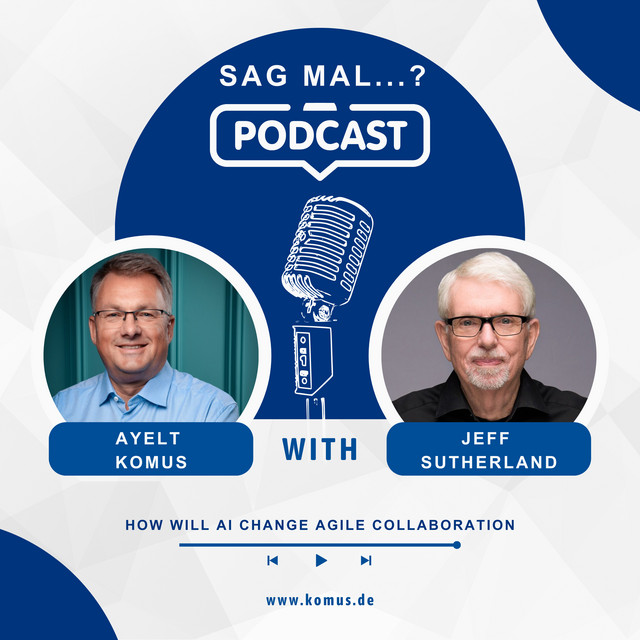
AI in Scrum: Podcast Insights from Dr. Jeff Sutherland In a recent podcast episode, Dr. Jeff Sutherland delved into the transformative impact of artificial intelligence (AI) on Scrum practices. This episode is a must-listen for anyone interested in the future of agile methodologies and how AI can elevate team performance. Embracing AI in Scrum Dr.Continue reading “AI in Scrum: Podcast Insights from Dr. Jeff Sutherland”
Renaissance Scrum Master: Brunelleschi’s Influence

Renaissance Scrum Master: Brunelleschi’s Influence We at JVS Management are thrilled to introduce an illuminating addition to Jeff Sutherland’s First Principles in Scrum. Our latest chapter delves into the story of Filippo Brunelleschi, the architect of the Florence Cathedral’s dome, showcasing his pioneering approach that eerily echoes modern Scrum practices. Brunelleschi: The Original Scrum MasterContinue reading “Renaissance Scrum Master: Brunelleschi’s Influence”
First Principles in Scrum and AI: Insights from Dr. Jeff Sutherland
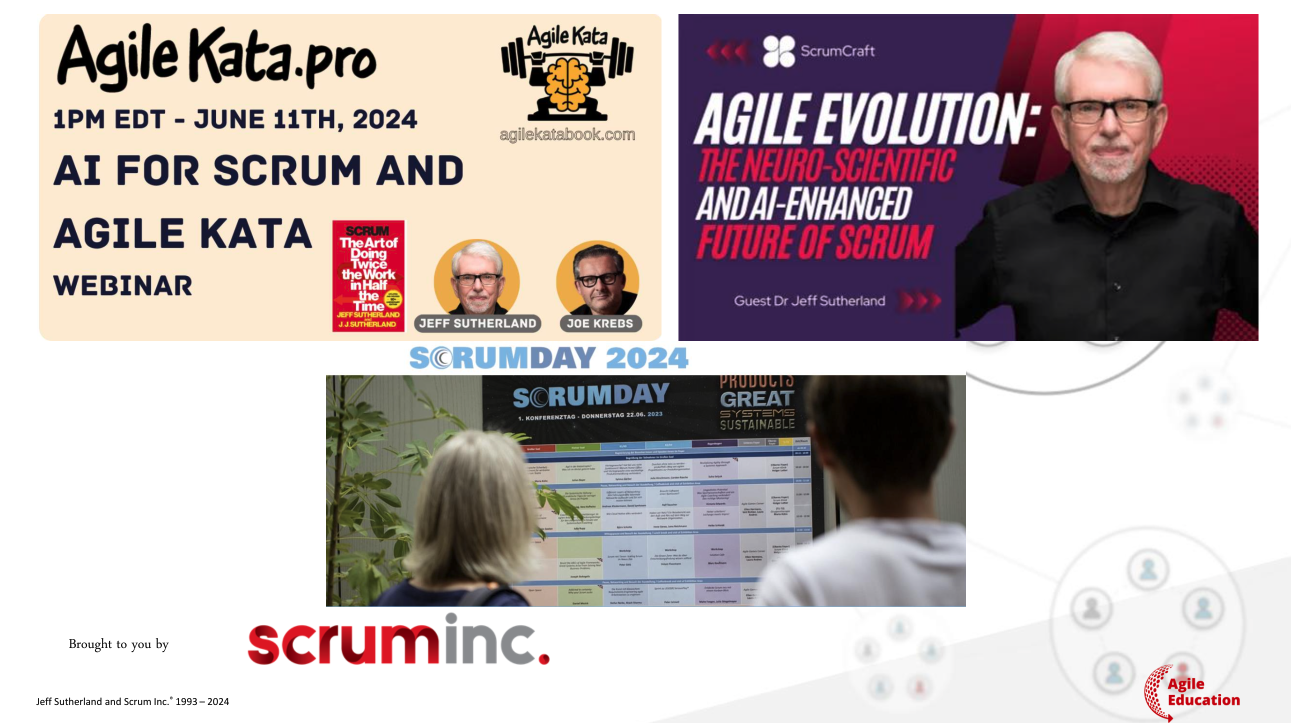
First Principles in Scrum and AI: Insights from Dr. Jeff Sutherland As the agile world continues to evolve, it’s essential to revisit the foundational principles that make Scrum such a powerful framework. Dr. Jeff Sutherland, co-creator of Scrum and a thought leader in agile methodologies, offers deep insights into how first principles and artificial intelligenceContinue reading “First Principles in Scrum and AI: Insights from Dr. Jeff Sutherland”
Unlocking Team Dynamics: Discover the Power of Self-Organization in Scrum

Unlocking Team Dynamics: Discover the Power of Self-Organization in Scrum In today’s fast-paced business world, the traditional command-and-control management structures are rapidly giving way to more flexible and dynamic approaches. One such groundbreaking method is the concept of self-organization in Scrum, a core theme explored in the latest chapter of Dr. Jeff Sutherland’s updated book,Continue reading “Unlocking Team Dynamics: Discover the Power of Self-Organization in Scrum”
Estimating Sprint Planning with AI: Enhancing Agile Practices

Estimating Sprint Planning with AI: Enhancing Agile Practices In the dynamic realm of Agile, effective sprint planning is crucial for delivering high-quality products efficiently. Integrating Artificial Intelligence (AI) into sprint planning can revolutionize estimation accuracy, enhancing the Scrum framework’s adaptability and productivity. This blog post explores the foundational elements of Scrum, the role of sprintContinue reading “Estimating Sprint Planning with AI: Enhancing Agile Practices”
AI Scrum Planning: Streamline Your Sprints

AI Scrum Planning: Streamline Your Sprints In the fast-paced world of project management, Scrum has established itself as a transformative framework for facilitating agility and efficiency. At JVS Management, integrating Artificial Intelligence (AI) into AI Scrum Planning is taking efficiency to unprecedented levels. We’ve harnessed the power of AI to enhance decision-making, optimize resource allocation,Continue reading “AI Scrum Planning: Streamline Your Sprints”
Unveiling the Future of Agility: Neuroscience and AI Enhance Scrum Practices
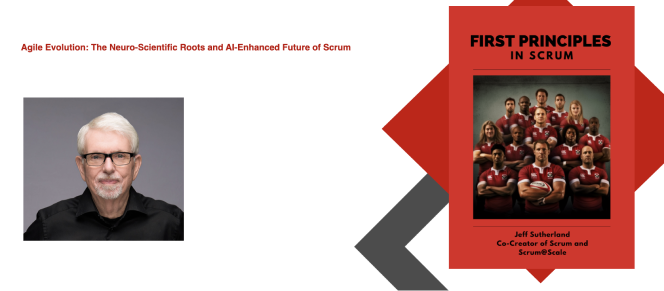
Unveiling the Future of Agility: Neuroscience and AI Enhance Scrum Practices In the rapidly evolving world of Agile development, the journey from a Swiss meetup to an upcoming Australian conference showcases how Dr. Jeff Sutherland’s pioneering work continues to shape the future of business agility across the globe. As the co-creator of Scrum and aContinue reading “Unveiling the Future of Agility: Neuroscience and AI Enhance Scrum Practices”
Teams That Finish Early Accelerate Faster: Maximizing Early Sprint Completion Strategies for Agile Teams

Teams That Finish Early Accelerate Faster: Maximizing Early Sprint Completion Strategies for Agile Teams In a landscape where unpredictability is the only constant, Karl Friston’s Free Energy Principle sheds light on the importance of minimizing surprise to optimize brain function. This principle, grounded in Bayesian brain theories, posits that the brain is constantly making predictionsContinue reading “Teams That Finish Early Accelerate Faster: Maximizing Early Sprint Completion Strategies for Agile Teams”
